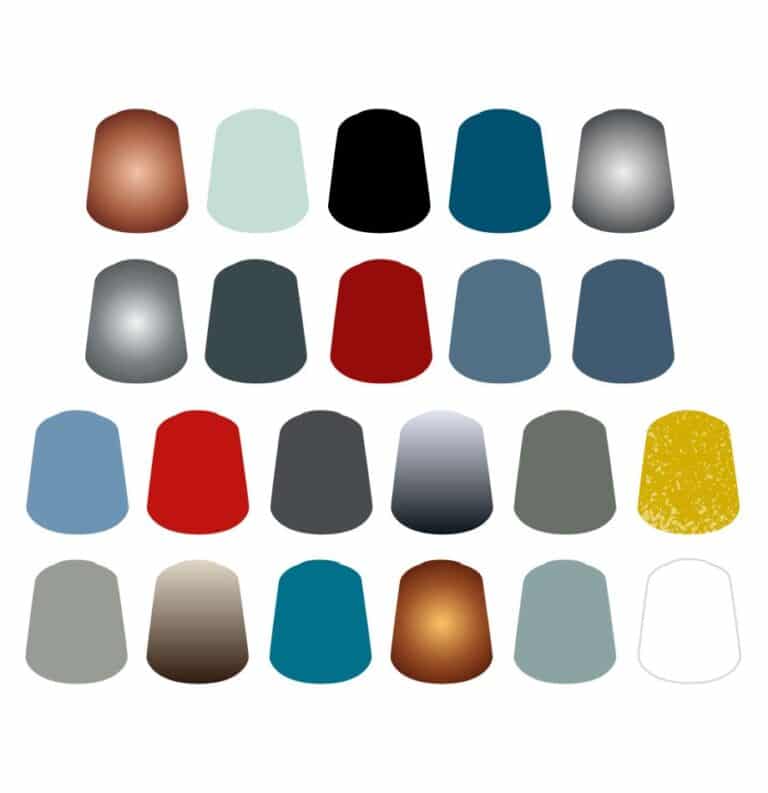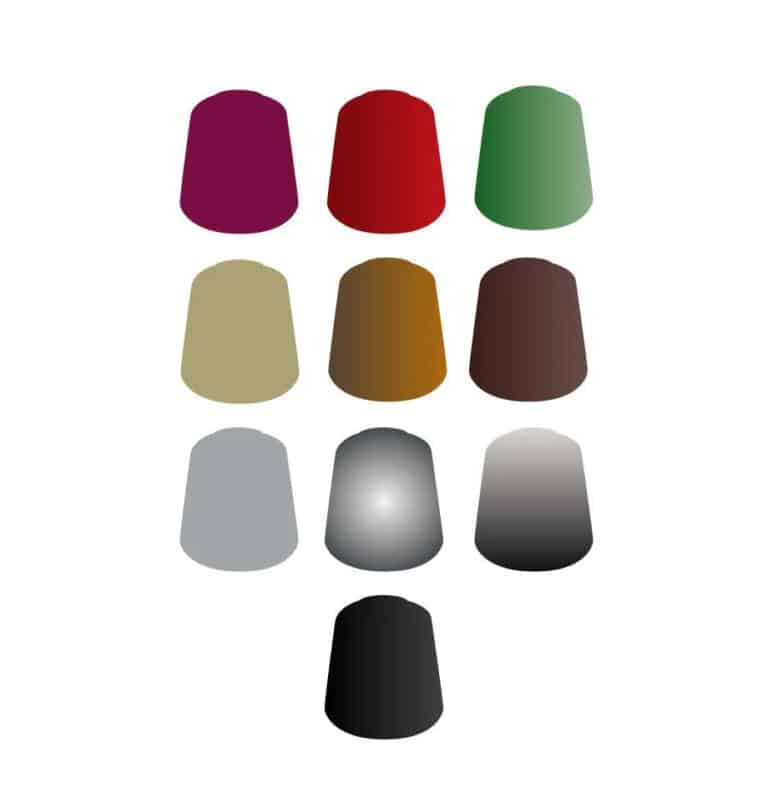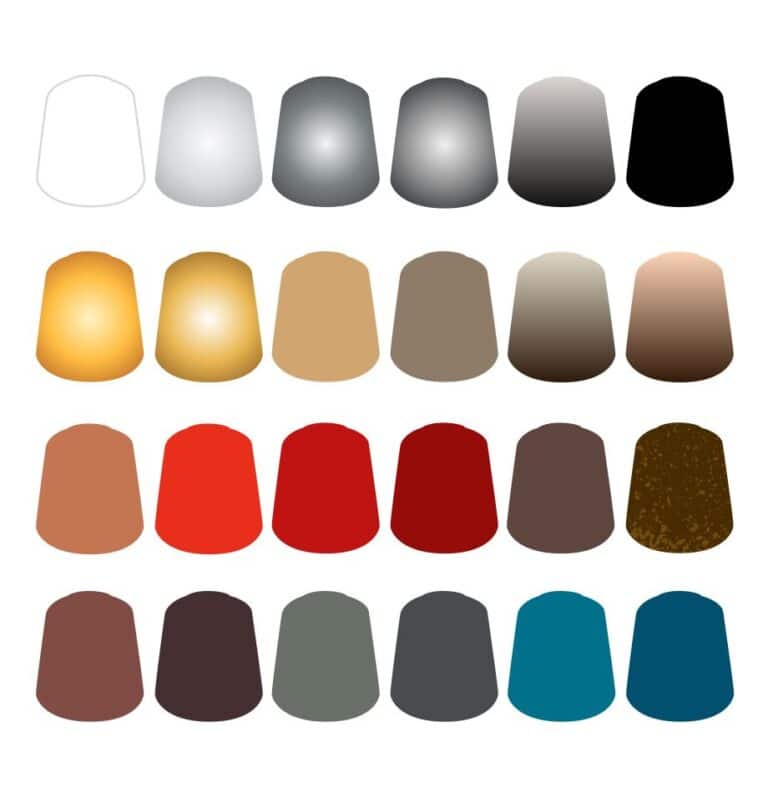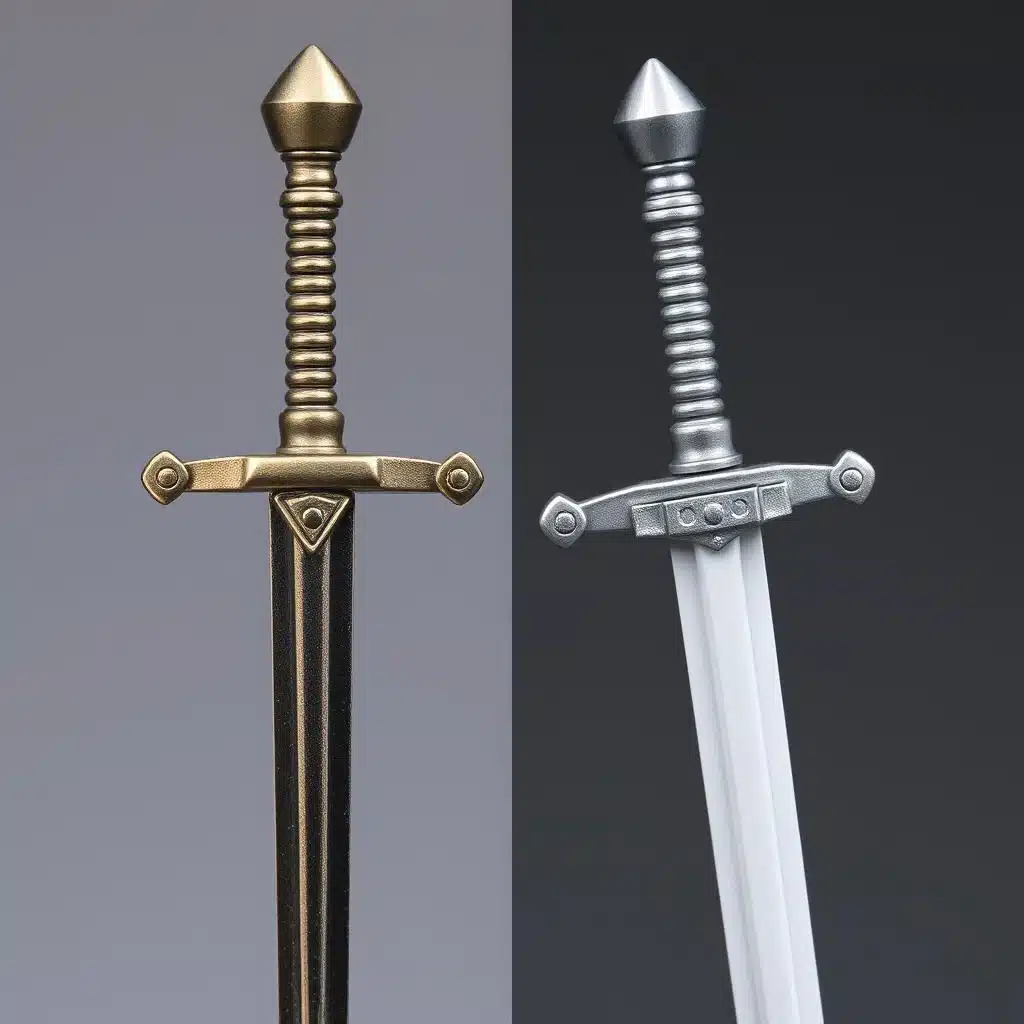
When it comes to painting armour, swords, and gun barrels, the miniature painting community is fundamentally split into two camps: True Metallic Metal (TMM) and Non-Metallic Metal (NMM). Both techniques can produce jaw-dropping results, but they require entirely different approaches and paints.
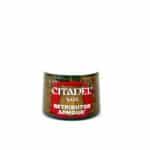
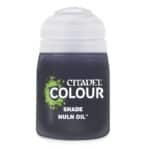
This is how 99% of hobbyists start. TMM involves using paints that actually contain tiny flakes of mica or metallic pigment to reflect real light. You simply paint on Leadbelcher or Retributor Armour, wash it with Nuln Oil or Agrax Earthshade, and drybrush with a brighter silver. It is fast, highly effective, and looks great on the tabletop.
NMM is an advanced display-painting technique. Instead of using shiny metallic paints, you use standard matte colours (greys, whites, blacks, yellows, and browns) and meticulously blend them to create a 2D optical illusion of a reflective 3D surface. You are manually painting where the light reflections and shadows *should* be. It is incredibly time-consuming and requires a deep understanding of light placement, but the result is a hyper-stylised, illustrative look that wins Golden Demon awards.
Which should you choose? If you want to get an army on the table quickly, stick to TMM. If you want to push your artistic skills on a hero character, give NMM a try.
Whatever your choice, we’ve got the paints you need. Browse our full Citadel range here for fast UK delivery.